用 Vocab 开始积累真正用得上的英语词汇
免费下载。用间隔重复、主题词表和母语者发音学得更快,也把学过的词真正记住。

20个英语高频错误(2025版)
import:Alert
20个英语高频错误(2025版)
最后更新:2025年8月
你是否也曾发出重要的英文邮件后,好几个小时都在担心:“里面会不会有好多错误?”这种感觉我们都懂!但好消息是:大多数A1到B2水平的英语学习者所犯的错误都非常典型。这意味着,只要你知道该从哪里检查,就很容易发现并纠正它们。
这篇文章就是你对抗那些“顽固”错误的私人助手。我们不仅会指出错误,还会解释原因,提供清晰的例子和巩固练习。让我们一起来攻克这20个让你无法自信、流利写作的绊脚石吧。出发!🚀
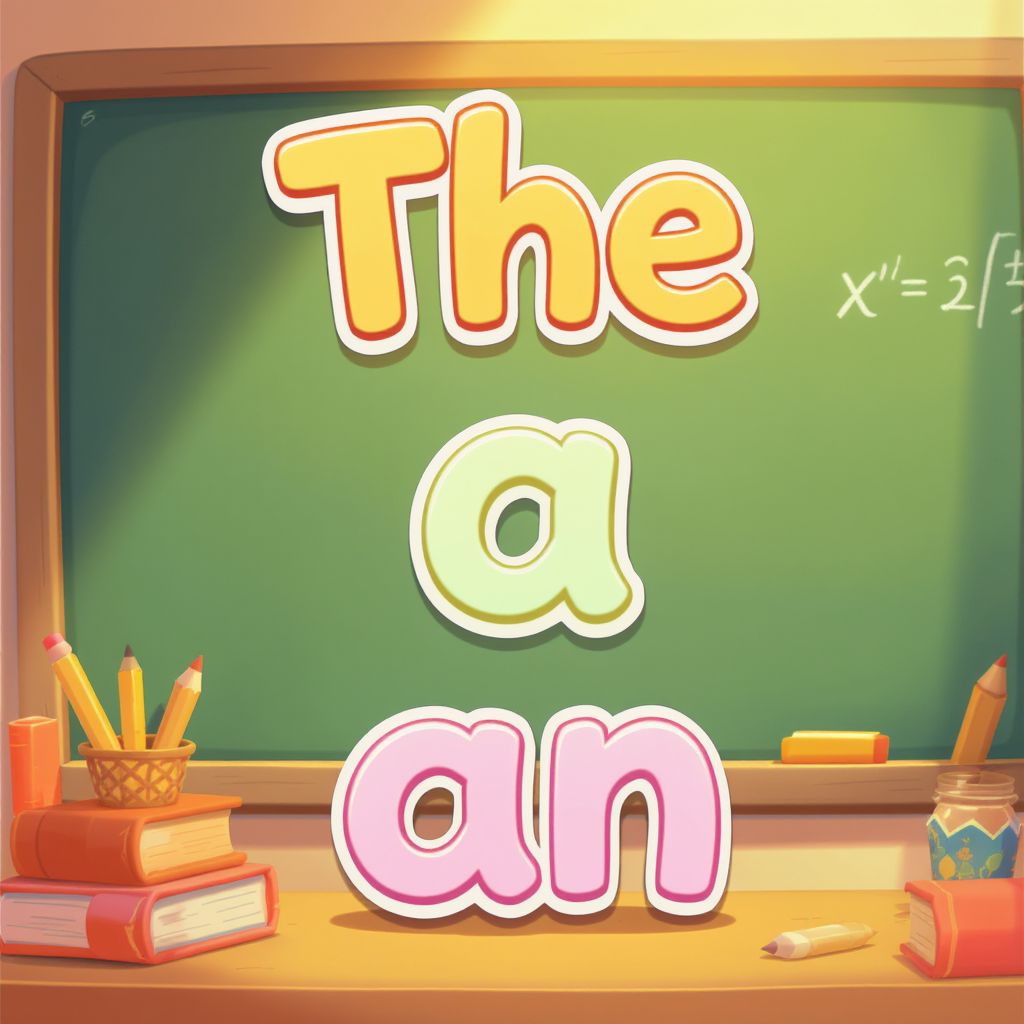
第一部分:冠词和限定词 — 基础中的基础
像
a、an、the、much、many 这些小词常常会带来大麻烦。没有它们,你的英语听起来会很不自然,就像机器人在说话。1. 单数可数名词前漏掉冠词 'a/an'
💡 规则: 如果一个东西你能数(one book, two books),而且它是单个的,那它前面几乎总需要一个不定冠词。在以辅音发音开头的单词前用
a,在以元音发音开头的单词前用 an。注意:关键是发音,不是字母!例如:an hour(h不发音)和 a university(u发音为/j/)。- ❌ 错误: "I am doctor." / "She wants to be writer."
- ✅ 正确: "I am a doctor." / 我是一名医生。
- ✅ 正确: "She wants to be a writer." / 她想成为一名作家。
- ✅ 正确: "He is an engineer." / 他是一名工程师。
- ✅ 正确: "It took me an hour to get there." / 我花了一个小时才到那里。
🎯 练习: 重写句子,在需要的地方加上
a 或 an。"She bought new car and interesting book."2. 混淆 'a/an' 和 'the'
💡 规则:
A/an 用于我们第一次提到某物,或指群体中的任何一个(“给我一支笔”)。The 用于指某个特定的、对话双方都知道的东西(the car we saw yesterday 我们昨天看到的那辆车)、独一无二的东西(the sun 太阳, the sky 天空)或第二次提到的东西。- ❌ 错误: "I saw a beautiful car. Car was red."
- ✅ 正确: "I saw a beautiful car. The car was red." / 我看到了一辆漂亮的车。(这辆特定的)车是红色的。
- ❌ 错误: "Sun is shining brightly today."
- ✅ 正确: "The sun is shining brightly today." / 今天阳光明媚(太阳是独一无二的)。
- ✅ 示例: "Can you open the door, please?" / 能请你开一下门吗?(指房间里那扇特定的门)。
🎯 练习: 选择正确的冠词。"Can you pass me (a/the) salt, please?"(提示:桌上的盐是特定的,大家都知道是哪一瓶)。
3. 'much' 和 'many' 的错误使用
💡 规则:
Many 用于可数名词(friends, books, ideas)。Much 用于不可数名词(water, time, money, information)。在肯定句中,两者通常都可以用 a lot of 替代。Much 和 many 更常用于疑问句和否定句。- ❌ 错误: "I don't have much friends."
- ✅ 正确: "I don't have many friends." / 我朋友不多。
- ❌ 错误: "She has many money."
- ✅ 正确: "She has a lot of money." / 她有很多钱。
- ✅ 正确: "How much time do we have?" / 我们有多少时间?
- ✅ 正确: "There aren't many options left." / 剩下的选择不多了。
🎯 练习: 填入
much 或 many。"How ________ apples did you buy?"4. 混淆 'this/these' 和 'that/those'
💡 规则:
This (这个, 近处, 单数) 和 these (这些, 近处, 复数)。That (那个, 远处, 单数) 和 those (那些, 远处, 复数)。- ❌ 错误: "I like these picture on the far wall."
- ✅ 正确: "I like that picture on the far wall." / 我喜欢远处墙上的那幅画。
- ❌ 错误: "Look at this birds high in the sky."
- ✅ 正确: "Look at those birds high in the sky." / 看天上那些鸟。
- ✅ 示例: "Is this your seat?" / 这是你的座位吗?(指着旁边的座位)
- ✅ 示例: "These cookies are delicious!" / 这些饼干真好吃!(拿在手里)
🎯 练习: 重写并改正错误。"These shoes I bought last year are still in the box."
第二部分:介词 — 小词有大用
时间和地点介词(
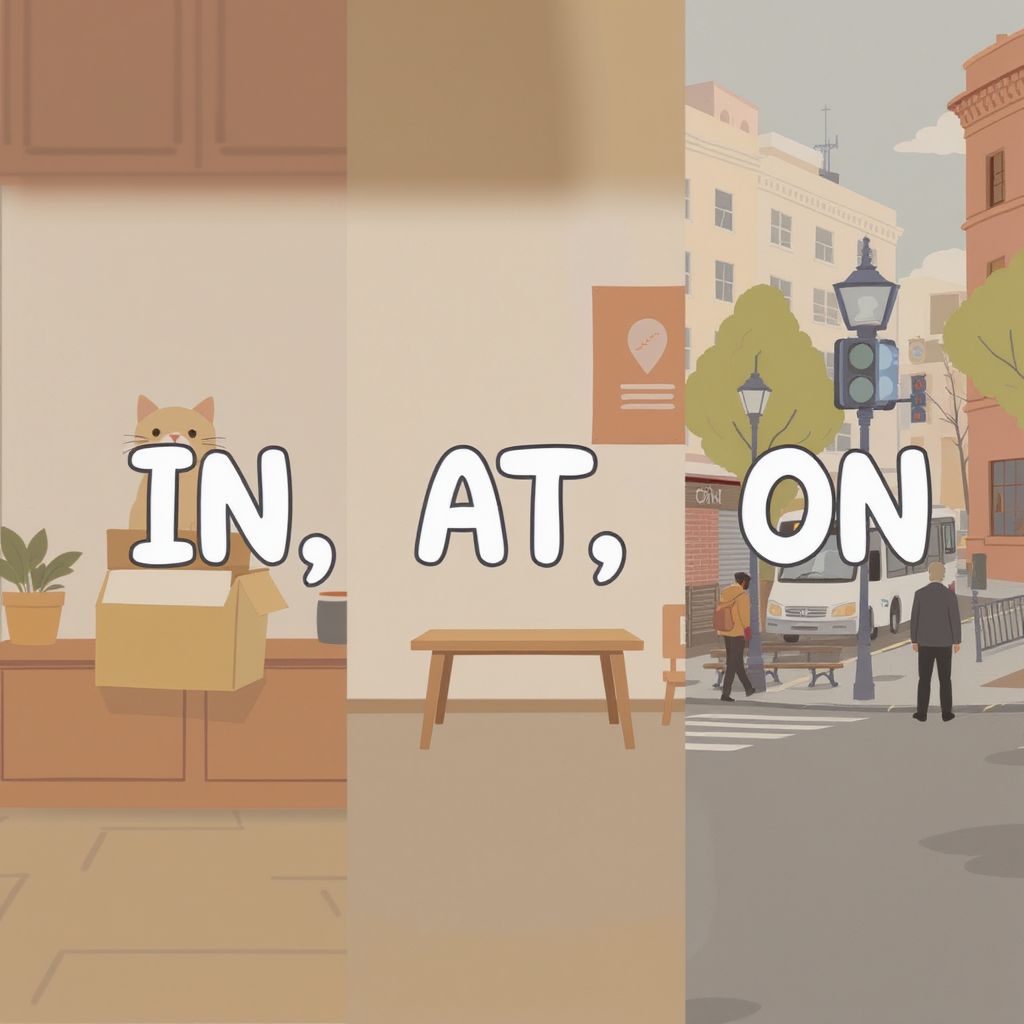
in, on, at)是许多学习者的雷区。我们来理清一下。5. 时间介词: 'at', 'in', 'on'
💡 规则:
at— 用于精确时间(at 5 PM,at midnight,at noon)和一些固定短语(at night,at the weekend)。on— 用于星期和具体日期(on Monday,on July 4th,on my birthday)。in— 用于月份、年份、季节、较长的时间段(in August,in 2025,in summer,in the morning,in the 1990s)。- ❌ 错误: "My birthday is in Friday."
- ✅ 正确: "My birthday is on Friday." / 我的生日在星期五。
- ❌ 错误: "The meeting starts on 3 PM."
- ✅ 正确: "The meeting starts at 3 PM." / 会议在下午3点开始。
🎯 练习: 填入
in, on 或 at。"The meeting is ________ 10 AM ________ Monday ________ December."6. 地点介词: 'at', 'in', 'on'
💡 规则:
in— 在有边界的内部(in a box,in a room,in a city,in a country)。on— 在物体的表面上(on the table,on the wall,on the floor)。at— 在某个具体的点、位置或表示出席某个活动(at the bus stop,at the door,at a party,at work)。- ❌ 错误: "The keys are in the table."
- ✅ 正确: "The keys are on the table." / 钥匙在桌子上。
- ❌ 错误: "She is waiting on the entrance."
- ✅ 正确: "She is waiting at the entrance." / 她在入口处等。
- ✅ 示例: "I live in London, but my office is at 25 Baker Street." / 我住在伦敦,但我的办公室在贝克街25号。
🎯 练习: 选择正确的介词。"I live (in/on/at) London."
7. 动词后缺少介词
💡 规则: 一些英语动词后面需要跟特定的介词,这和中文的习惯不同(这是“中式英语”的重灾区!)。这些搭配需要特别记忆。最常见的有:
listen to, wait for, depend on, look at, arrive at/in, apologize for。- ❌ 错误: "I like to listen music." / "Who are you waiting?"
- ✅ 正确: "I like to listen to music." / 我喜欢听音乐。
- ✅ 正确: "Who are you waiting for?" / 你在等谁?
- ✅ 示例: "It all depends on the weather." / 这完全取决于天气。
🎯 练习: 重写并加上介词。"It depends the weather."
第三部分:主谓一致和时态 — 语法的核心
这部分的错误可能会完全扭曲你信息的意思。
8. 一般现在时第三人称单数忘记加 '-s'
💡 规则: 在一般现在时(Present Simple)中,当主语是
he, she, it(或可以被它们替代的名词,如 my friend, the cat, Anna)时,动词后面要加上 -s 或 -es。中文动词没有时态和人称变化,所以这是中国学生最容易忽略的一点。- ❌ 错误: "She work in a bank." / "My friend live in London."
- ✅ 正确: "She works in a bank." / 她在银行工作。
- ✅ 正确: "My friend lives in London." / 我的朋友住在伦敦。
- ✅ 正确: "The sun rises in the east." / 太阳从东方升起。
🎯 练习: 改正动词。"The sun rise in the east."
9. 混淆一般现在时和现在进行时
💡 规则:
Present Simple — 用于描述事实、习惯和规律性动作(标志词:always, usually, every day, often)。Present Continuous (am/is/are + verb-ing) — 用于描述正在发生或现阶段正在进行的动作(标志词:now, at the moment, this week)。- ❌ 错误: "Right now, I read a magazine."
- ✅ 正确: "Right now, I am reading a magazine." / 我现在正在读一本杂志。
- ❌ 错误: "Water is boiling at 100 degrees Celsius."
- ✅ 正确: "Water boils at 100 degrees Celsius." / 水在100摄氏度时沸腾(这是科学事实)。
- ✅ 示例: "I usually drink coffee in the morning, but today I'm drinking tea." / 我通常早上喝咖啡,但今天我喝的是茶。
🎯 练习: 选择正确的动词形式。"Be quiet! The baby (sleeps / is sleeping)."
10. 一般过去时中的不规则动词变位错误
💡 规则: 英语中有很多不规则动词。它们的过去式(第二形式)和过去分词(第三形式,用于完成时态)需要死记硬背。给自己列个表并反复记忆:
go -> went -> gone, see -> saw -> seen, buy -> bought -> bought。没有捷径!- ❌ 错误: "I goed to the cinema yesterday." / "We seeed a great film."
- ✅ 正确: "I went to the cinema yesterday." / 我昨天去看了电影。
- ✅ 正确: "We saw a great film last week." / 我们上周看了一部很棒的电影。
- ❌ 错误: "She buyed a new dress."
- ✅ 正确: "She bought a new dress." / 她买了一件新裙子。
🎯 练习: 改正动词。"She buyed a new dress for the party."
11. 叙事时时态混用
💡 规则: 如果你在讲述一个过去的故事,请坚持使用过去时态(
Past Simple, Past Continuous 等)。随意切换到 Present Simple 会让读者感到困惑,并破坏故事的逻辑。- ❌ 错误: "I woke up late, so I run to the bus stop."
- ✅ 正确: "I woke up late, so I ran to the bus stop." / 我起晚了,所以我跑向了公交车站。
- ❌ 错误: "She opened the door and sees her friend."
- ✅ 正确: "She opened the door and saw her friend." / 她打开门,看到了她的朋友。
🎯 练习: 改正句子的后半部分。"He was walking home when he find a wallet."
第四部分:标点和句子结构 — 让思路更清晰
正确的标点能帮助读者跟上你的思路,而不是在每个句子上都磕磕绊绊。
12. 在 'but', 'so', 'and' 前缺少逗号
💡 规则: 当你用
for, and, nor, but, or, yet, so(可以用首字母缩写 FANBOYS 来记忆)连接两个完整的句子(即每个句子都有主语和谓语)时,连词前要加逗号。- ❌ 错误: "I wanted to go but I was tired."
- ✅ 正确: "I wanted to go, but I was tired." / 我想去,但是我累了。
- ❌ 错误: "He studied hard so he passed the exam."
- ✅ 正确: "He studied hard, so he passed the exam." / 他努力学习,所以通过了考试。
🎯 练习: 在需要的地方加上逗号。"She likes coffee and he prefers tea."
13. “流水句” (Run-on Sentences)
💡 规则: 你不能简单地把两个独立的句子放在一起。必须用句号、分号(;)或带逗号的连词来分隔它们。
- ❌ 错误: "I love coffee it wakes me up."
- ✅ 正确: "I love coffee. It wakes me up." / 我爱咖啡。它能让我清醒。
- ✅ 替代方案 1: "I love coffee; it wakes me up." (分号用于连接意思紧密的句子)。
- ✅ 替代方案 2: "I love coffee, because it wakes me up." / 我爱咖啡,因为它能让我清醒。
🎯 练习: 把这个句子分成两句。"The weather was great we went to the park."
14. 忘记使用问号
💡 规则: 如果一个句子是直接问句,句末必须用问号(?),而不是句号。这看起来很明显,但常常被忽略。注意:这不适用于间接引语(
He asked what my name was.)。- ❌ 错误: "What is your name."
- ✅ 正确: "What is your name?" / 你叫什么名字?
- ❌ 错误: "Can you help me."
- ✅ 正确: "Can you help me?" / 你能帮我吗?
🎯 练习: 加上正确的标点符号。"How old are you"
15. 混淆 'your' 和 'you're'
💡 规则:
Your — 是所有格代词(你的)。You're — 是 you are(你是)的缩写。一个简单的测试:如果可以替换成 you are,就用 you're。- ❌ 错误: "Your a great student."
- ✅ 正确: "You're a great student." (You are a great student.) / 你是个很棒的学生。
- ❌ 错误: "Is this you're bag?"
- ✅ 正确: "Is this your bag?" (Is this you are bag? — 说不通) / 这是你的包吗?
🎯 练习: 选择正确的词。"I think (your/you're) right."
第五部分:易混淆词汇
有些英语单词看起来和听起来很像,但意思完全不同。这是造成误解的最常见原因之一。
16.
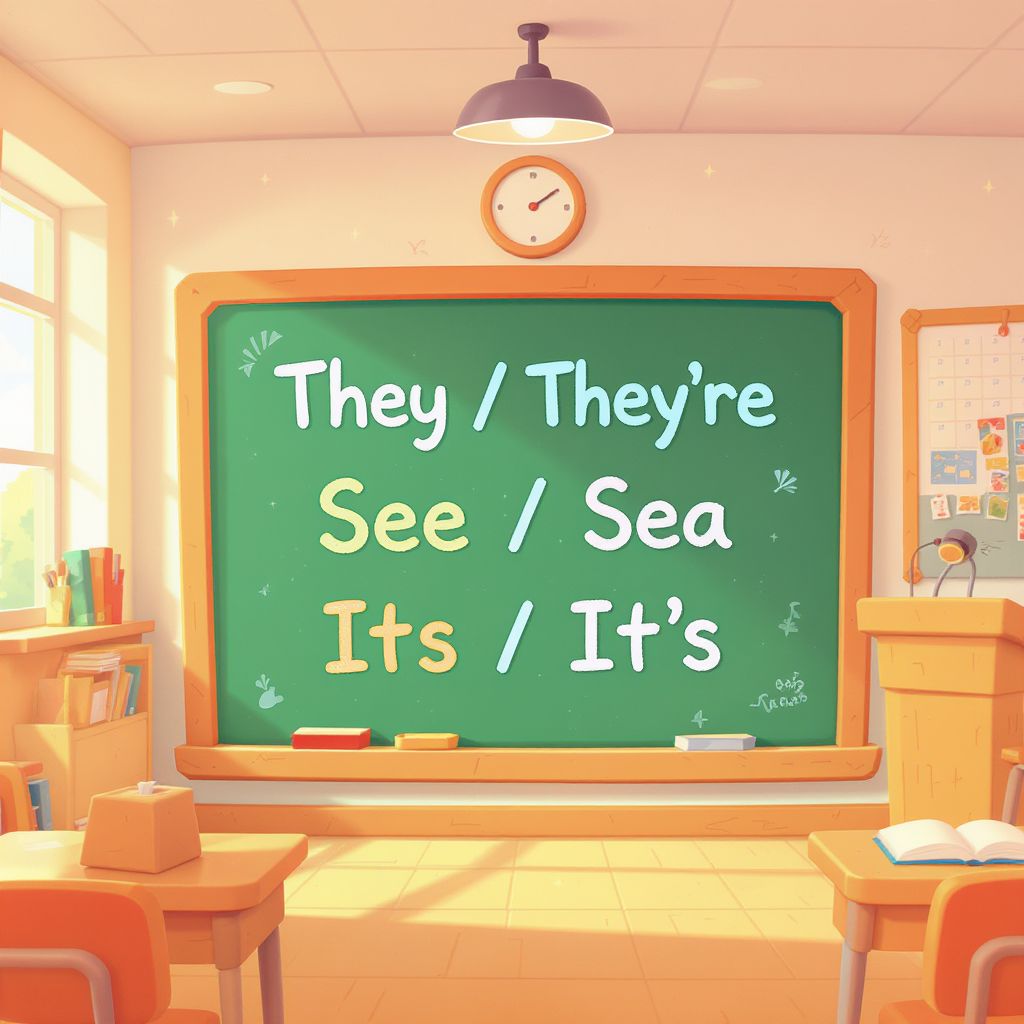
Its vs. It's💡 区别:
It's — 永远是 it is 或 it has 的缩写。Its — 是所有格代词,回答“谁的?”这个问题(用于无生命物体或动物)。- ❌ 错误: "The dog wagged it's tail."
- ✅ 正确: "The dog wagged its tail." / 狗摇着它的尾巴。
- ❌ 错误: "Its a beautiful day!"
- ✅ 正确: "It's a beautiful day!" (It is a beautiful day) / 真是美好的一天!
17.
There vs. Their vs. They're💡 区别:
They're = they are (他们是)。Their — 所有格代词 (他们的)。There — 地点副词 (那里) 或 there is/are 结构的一部分。- ❌ 错误: "Their going to the cinema."
- ✅ 正确: "They're going to the cinema." (They are going...) / 他们正要去电影院。
- ❌ 错误: "The students left there books here."
- ✅ 正确: "The students left their books here." / 学生们把他们的书留在了这里。
- ✅ 示例: "Put the box over there. Their car is new. They're very happy." / 把箱子放在那里。他们的车是新的。他们非常开心。
18.
Good vs. Well💡 区别:
Good — 是形容词,用来描述名词。Well — 是副词,用来描述动词(动作)。简单区分:“什么样的?” — good,“怎么样地?” — well。- ❌ 错误: "He speaks English very good."
- ✅ 正确: "He speaks English very well." / 他英语说得很好(说得怎么样?— 好)。
- ✅ 示例: "She is a good singer. She sings well." / 她是个好歌手。她唱得很好。
- 例外: 与感官动词(
feel,look,smell,taste,sound)连用时,用good:"I feel good today." / 我今天感觉很好。
19.
To vs. Too💡 区别:
To — 是方向介词(to the store)或不定式符号(to do)。Too — 意思是“也”或“太”。- ❌ 错误: "I want to go, to."
- ✅ 正确: "I want to go, too." / 我也想去。
- ❌ 错误: "This coffee is to hot."
- ✅ 正确: "This coffee is too hot." / 这咖啡太烫了。
20.
Then vs. Than💡 区别:
Then — 时间副词,意思是“然后”、“接着”、“那时”。Than — 用于比较(bigger than, more interesting than)。- ❌ 错误: "She is taller then me."
- ✅ 正确: "She is taller than me." / 她比我高。
- ✅ 示例: "First we'll have lunch, then we'll go for a walk." / 我们先吃午饭,然后再去散步。
你的个人自查清单 (2025版)
在点击“发送”之前,快速浏览一遍这个清单。这只需要一分钟,但能帮你避免很多恼人的错误!
- 冠词: 你检查过可数名词前的
a/an和the了吗? - 动词: 动词和主语是否一致(
he works,they work)?你用的时态对吗(yesterday-> went)? - 介词: 你确定时间介词(
onMonday)、地点介词(atthe station)和动词后介词(listen to)都用对了吗? - 标点: 句末有句号或问号吗?
but、so前面的逗号加了吗? - 句子结构: 你有没有把两个句子合成一个“流水句”?
- 易混淆词: 有没有混淆
your/you're,its/it's,their/they're,good/well,then/than?
定期练习是成功的关键。不要害怕犯错!每一个错误都是学习新知识的机会。从短小的文本开始:信息、评论、简短的邮件。你写得越多,检查得越多,这些规则就会越快内化于心。你一定可以的!
额外资源
🎧 用 Vocab app 播客提升技能: 通过我们的播客提升您的听力和词汇量 — 这是提升听力理解和通过有趣音频内容扩大词汇量的绝佳资源。
📱 用 Vocab app 加速词汇学习: 使用 Vocab app 高效记忆新单词 — 这是一款强大的工具,旨在通过互动练习和测验帮助你掌握新词汇,让学习变得有趣。
推荐文章

5分钟
5分钟测试你的英语词汇量
通过免费测试,精确测出你的词汇水平。从基础单词到高级词汇,即刻获得 A1-C2 评分,看看你真正掌握了多少英语单词。